
Farm Life for Kids: What Children Learn From Animals

Around here, the days are filled with the clucks of free-range chickens, the brays of mini donkeys, and the soft hops of Holland Lop bunnies. For our kids, the farm is more than a playground—it’s a living classroom where animals teach lessons that stick for a lifetime. Raising children alongside livestock offers a unique blend of responsibility, empathy, and joy that’s hard to find elsewhere. Here’s what kids learn from farm life at Mustang Alley, and why growing up with animals is a gift that keeps on giving.
Responsibility Through Daily Chores
Farm life hands kids a crash course in responsibility. Our children pitch in with age-appropriate tasks, from filling water troughs for goats to scattering grain for chickens. Young helpers learn to check bunny hutches for any empty food containers or collect eggs from the coop. These chores aren’t just busywork—they teach kids that animals depend on them. Kids beam with pride after refilling a goat’s water bucket, knowing their effort keeps the herd happy.
Unlike classroom assignments, farm chores have real stakes. A missed feeding means a hungry animal, so kids learn to show up on time, every time. Compared to urban settings, where responsibilities might be limited to homework or tidying a room, farm life gives kids tangible duties that build a sense of duty and reliability early on.

Empathy and Emotional Intelligence
Animals are master teachers of empathy, and our kids at Mustang Alley learn this firsthand. Watching a horse nuzzle a buddy or a hen protect her chicks shows kids how animals feel fear, affection, or stress. Our children learn to read subtle cues—like a bunny’s flattened ears signaling discomfort or a goat’s playful leap showing joy—and respond with care. They will gently stroke a nervous Holland Lop until it relaxes, learning to put another creature’s feelings first.
This empathy extends to people, too. Kids who grow up soothing a skittish barn cat or comforting a goat after a storm develop a knack for understanding others’ emotions. Unlike screen-based activities, which can isolate kids, farm life fosters emotional intelligence through real, face-to-face connections with animals to shape compassionate, thoughtful humans.
Respect for Nature’s Rhythms
Farm life ties kids to the pulse of the natural world. Our children see how seasons shape the farm—spring brings new chicks, summer means extra water for goats, and winter calls for extra bedding in bunny hutches. They learn that nature sets the pace, not a clock. Kids must wait patiently for a hen to hatch her eggs, learning that some things can’t be rushed, unlike the instant gratification of a smartphone .
Living near the Francis Marion National Forest, our kids also see how our animals fit into a bigger ecosystem. They watch chickens scratch the soil, helping it breathe, or notice how goats clear weeds to keep pastures healthy. This hands-on connection teaches respect for the environment, showing kids they’re part of something larger. Compared to city life, where nature might feel distant, farm kids grow up grounded in its cycles and balance.
Confidence Through Animal Handling
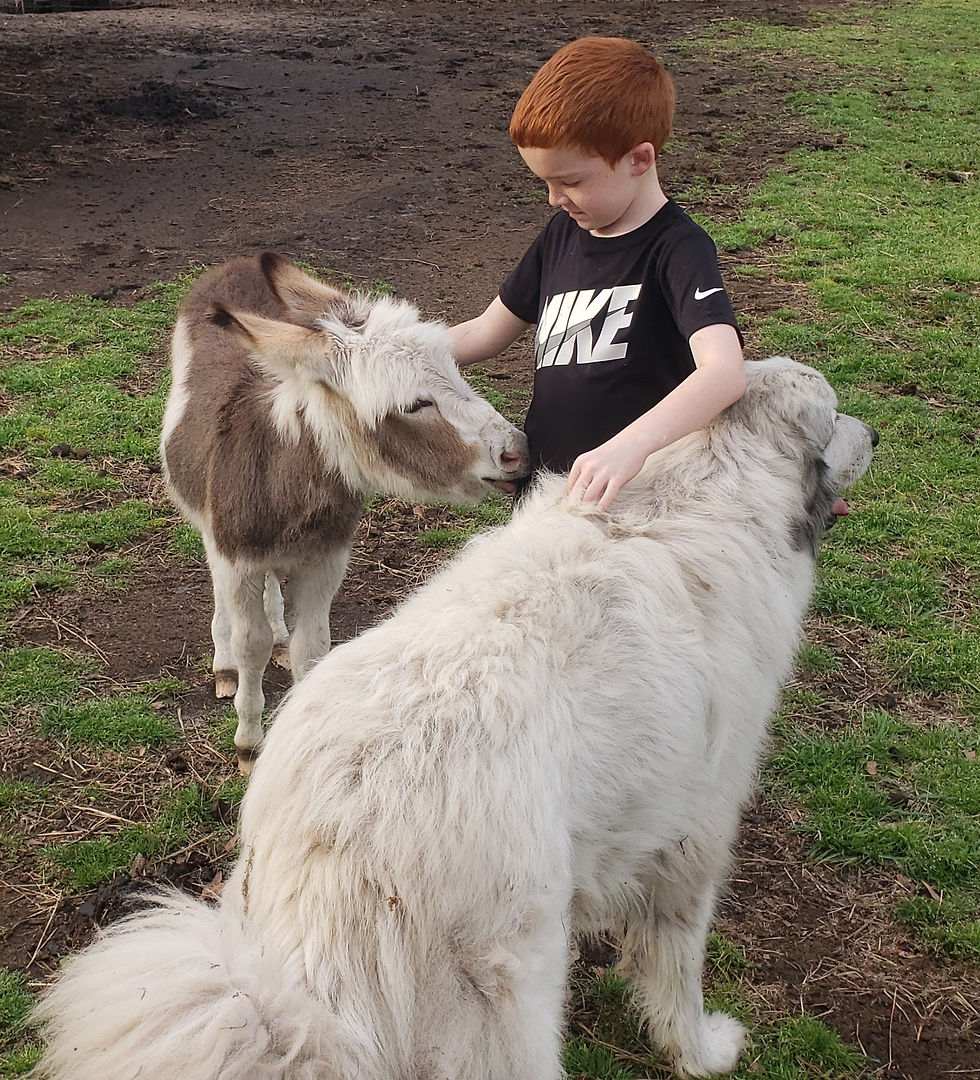
Handling animals builds confidence in ways few things can. Kids learn to approach all animals with calm assurance—whether leading a horse around, scooping up a bunny, or herding a wayward duck. These tasks teach them to move deliberately, speak softly, and stay steady under pressure. A timid kid will gain swagger after successfully guiding a stubborn goat back to its herd, with their chest puffed out with pride.
Unlike sports or academics, where competition can dent self-esteem, working with animals offers a judgment-free space to grow. A horse doesn’t care if you miss a shot—it responds to your care and consistency. This boosts kids’ confidence, especially for those who struggle in traditional settings, giving them a sense of mastery that carries into other parts of life.
Problem-Solving and Resilience
Farm life is full of surprises, and kids learn to roll with them. A fence breaks, a chicken goes missing, or a mini donkey decides today’s the day to get into the trash bins—our kids tackle these challenges head-on. They learn to think fast, like when we had to patch up a hutch right before a storm or soothe a rescue dog spooked by thunder. These moments teach problem-solving skills that no textbook can match.
Resilience comes, too. Animals get sick, eggs don’t hatch, and plans go awry. Our kids learn to bounce back, understanding that setbacks are part of life. Unlike cushioned environments where failure is rare, farm life shows kids how to keep going, whether it’s retrying a tricky task or accepting that nature doesn’t always cooperate.
Joy in Simple Moments
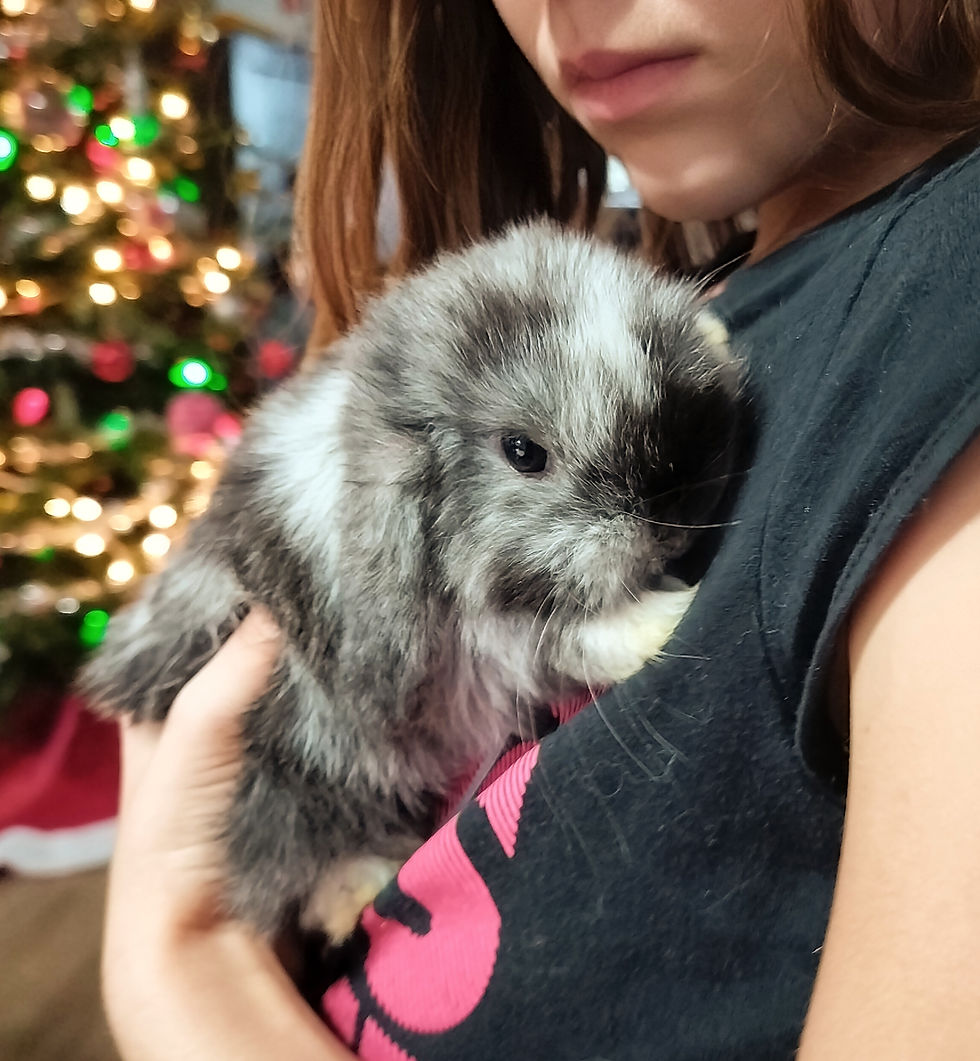
Farm life is packed with small joys that kids soak up. All children light up watching chicks hatch, giggling as a bunny binkies in its hutch, or cheering when a turkey struts across the pasture. These moments—collecting warm eggs, brushing a horse, or laughing as a goat nibbles their shirt—teach kids to find happiness in the everyday. Unlike the overstimulation of screens or toys, farm joys are raw and real, tying kids to the present moment.
Our kids spend hours sitting with our animals, chatting to a hen or snuggling a bunny, their faces glowing with contentment. This ability to find joy in simple things builds a lifelong appreciation for life’s quiet pleasures, something urban kids might miss out on.
Why Farm Life Shapes Great Kids
At our ranch, we create a space where kids can learn from animals naturally. Our pastures let horses roam freely, giving kids a chance to observe herd dynamics or see them romping around playfully. If an animal needs rest, we convert their housing into recovery spaces, teaching kids about care and rehabilitation. We also use our herbal blends to keep animals healthy, showing kids how natural remedies work.
Our Great Pyrenees, Cujo and Khaleesi, guard the flock, letting kids interact safely, while our location near the Francis Marion National Forest adds a wild backdrop for exploration. Whether kids are helping with chores or just playing with the animals, they’re learning hands-on lessons in compassion and connection.
Growing up with animals gives kids more than fun—it builds responsibility, empathy, respect, confidence, resilience, and joy. Compared to urban childhoods, where screens often dominate, farm life offers a rich, hands-on education that shapes well-rounded, caring people. Kids learn to show up, care deeply, and find happiness in the little things, all thanks to our animals. Farm life isn’t just for grown-ups—it’s a gift for kids that lasts a lifetime.

Comments